
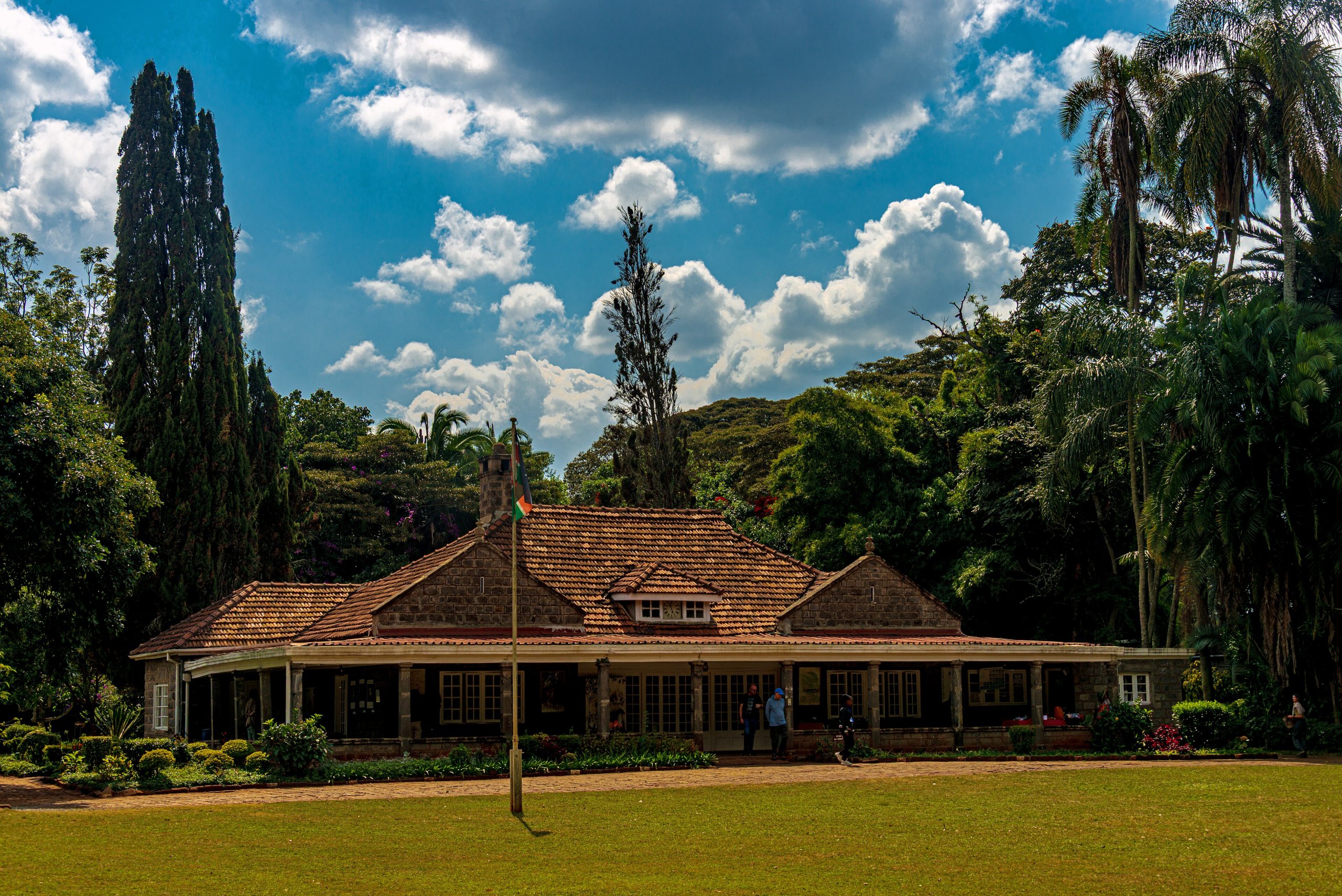
Karen Blixen Museum
The Karen Blixen Museum is the farmhouse at the foot of the Ngong Hills where the Danish writer lived from 1917 to 1931, about 10 km from central Nairobi. It is run by the National Museums of Kenya, it is furnished largely with objects that were in the house at the time, and the suburb that grew up on the subdivided farm took its name from her.
The House Before Karen Blixen
The building predates her. It was put up in 1912 by a Swedish engineer, Åke Sjögren, and stood for five years before the Blixens bought it in 1917. Karen Blixen herself called it Bogani, or Mbogani, meaning a house in the woods, and the name is a better description of the setting than anything the film later made of it.
The Farm
Karen Dinesen came to British East Africa in 1914 to marry her half-cousin, Baron Bror Blixen-Finecke. She had expected to farm dairy cattle; he had changed his mind and wanted coffee. Her uncle, Aage Westenholz, financed the enterprise and members of both families held shares in it. The house became the farmhouse of a 6,000-acre holding, of which about 600 acres were under coffee.
It is worth being plain about what that means. A European-owned coffee estate of six thousand acres at the foot of the Ngong Hills existed because colonial land policy in Kenya had put highland farmland into settler hands, and it was worked by Kikuyu labour living on the estate. That arrangement, and not the later film, is the reason a Danish writer with no farming experience owned this much of the Ngong. It is the period the house belongs to, and the house is the clearest surviving evidence of it in Nairobi.
The farm did not succeed. The marriage failed after eight years and the Baron left in 1921, leaving her to run the place alone. The coffee never came right: there was a fire at the factory and a run of poor harvests, on ground that was in any case marginal for coffee. She also fell in love with the English hunter Denys Finch Hatton, who was killed in a plane crash in Tsavo in 1930. With the farm finished and Finch Hatton dead, she returned to Denmark in 1931.
What Happened to the House Afterwards
The story of the building between 1931 and its opening as a museum is unusually well documented, and it is part of what the visit is about.
- The farm was bought by Remy Martin, who broke it into 20-acre parcels for sale. The suburb of Karen grew out of that subdivision.
- Records indicate that a Lieutenant Colonel G. Lloyd, a British Army officer, bought the house in 1935 and lived in it until his death in 1954, when it passed to his daughters.
- A transfer of title to two further owners appears in City Hall records of 1956, after which the house was occupied only intermittently.
- In 1964 the Danish government bought it and gave it to the government of Kenya as an independence gift.
- Kenya used it for a college of nutrition, with the house serving as the principal’s residence.
- In 1985 the film of Out of Africa began shooting, the National Museums of Kenya moved to acquire the house, and the museum opened in 1986.
Much of the furniture on display is the furniture she actually owned. On leaving, she sold pieces to Lady McMillan; those were later bought back and returned to the rooms they came from. That is why the interior reads as a house rather than a period reconstruction.
Karen Blixen the Writer
She published under the pen name Isak Dinesen. Born at Rungstedlund in Denmark on 17 April 1885, the second of Wilhelm and Ingeborg Dinesen’s five children, she turned to writing seriously only after Kenya was behind her. Seven Gothic Tales appeared in 1934 and Out of Africa, the memoir of the farm, in 1937. She died at Rungsted in 1962, aged 77.
Out of Africa is a memoir written by a woman who had lost the place she is describing, and it reads that way. Visitors who come having only seen the 1985 film sometimes expect a love story and find instead a house, a coffee-drying yard and a failed business. The house is the more interesting of the two.
What There Is to See
The visit is a guided tour of the rooms, given continuously through the day by the museum’s own multilingual guides, followed by whatever time a visitor wants in the grounds. Outside, farm equipment from the period is displayed in the open, including a tractor, wagons, ploughs and original machinery from the coffee processing factory. The gardens run down towards indigenous forest with a view to the Ngong Hills, and there is a short nature trail with labelled trees, tree hyraxes and a good deal of birdlife, which is the part most visitors are not expecting. There is a museum shop and an art corner showing work by local artists.
Practicalities
Admission is set by regulation. The rates below come from the National Museums of Kenya notice revising heritage facilities admission fees under Legal Notice No. 79 of 2025, the National Museums and Heritage (Admissions Fees) Regulations 2025, in effect from 7 May 2026, and were checked against that notice on the NMK website in September 2026. This museum shares a rate band with Fort Jesus in Mombasa.
| Ticket | Kenya and East African citizens (KSh) | Residents and rest of Africa (US$) | Visitors from outside Africa (US$) |
|---|---|---|---|
| Adult | 550 | 9 | 17 |
| Child | 300 | 6 | 8 |
Tickets are sold through the government’s eCitizen platform and NMK does not take cash at its sites, so come able to pay electronically. NMK states that discounts apply for groups, students and children. Because these rates are set by regulation they change, and because the NMK website has been restructured a great many third-party pages still quote superseded figures. Anything publishing confident NMK rates from a domain other than museums.or.ke or nmk.go.ke is not the museum service.
National Museums of Kenya publishes admission hours for this museum of 8.30am to 5.30pm, Monday to Sunday, open all year round including public holidays. There is a café and a museum shop on site. The museum is reachable by both public and private transport, and the grounds are also hired out for weddings and corporate events, which occasionally affects access to parts of the garden. Night tours are occasionally available by prior booking.
Nearby
The museum sits in the same south-western quarter as the Giraffe Centre, the Sheldrick elephant nursery and Bomas of Kenya, and all four are routinely combined in a day. The hills she wrote about are covered at Ngong Hills. For the colonial-era city more broadly, the Nairobi Railway Museum and the Kenya National Archives hold the other side of the same period, and the wider subject sits under heritage tours.
Questions Visitors Ask
Is this the actual house from the film?
It is the actual house she lived in. The 1985 film shot on location here and nearby, but the building is the original farmhouse of 1912, not a set.
How much does it cost to get in?
Admission is set by regulation rather than by the museum, with separate rates for Kenyan and East African citizens, for residents and other Africans, and for visitors from outside Africa. The figures from the revision that took effect in May 2026 are in the practicalities table on this page. Payment is through eCitizen and cash is not accepted.
Is the furniture original?
A good deal of it is. Pieces she sold when she left Kenya were later reacquired by the museum and form part of the display.
How long does a visit take?
The guided tour of the house takes under an hour. Allow another half hour or more for the grounds, the farm machinery and the nature trail.
Why is the suburb called Karen?
Because the farm was broken into 20-acre plots after she left, and the residential area that grew on them kept her name.
Do I need a guide?
Guided tours are included and run continuously through the day, in several languages. There is no need to arrange one separately.
11 Places to Visit in This Area
Other sites in Nairobi, each with its own guide.
Safaris That Visit Nairobi
3 of the 16 safaris listed here that visit Nairobi, from different operators where the listings allow it. Each is sold and run by an independent tour company. This site lists them and passes on enquiries; it takes no booking and charges you nothing.
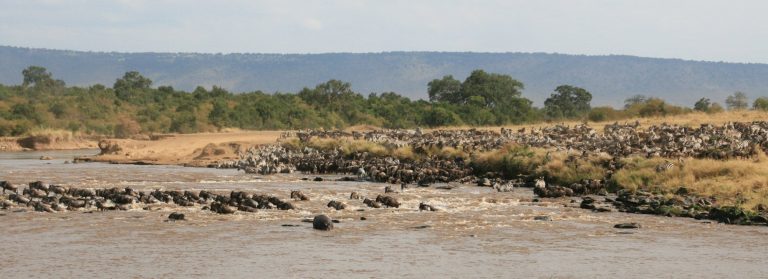

12 Days Best of Kenya Safari
by Kori Safaris Verified operator
Operator quotes on request
View Safari

7-Day Fly-In Kenya Safari Package to Maasai Mara and Amboseli
by Insight Safari Holidays Verified operator
Operator quotes on request
View Safari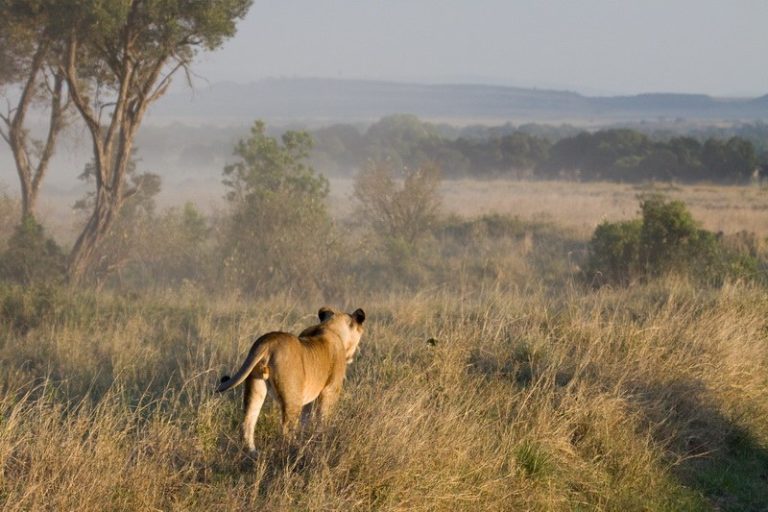

Masai Mara Safari & Gorilla Trekking
by Ancient Africa Safaris Verified operator
From $10,000 per person
View Safari