
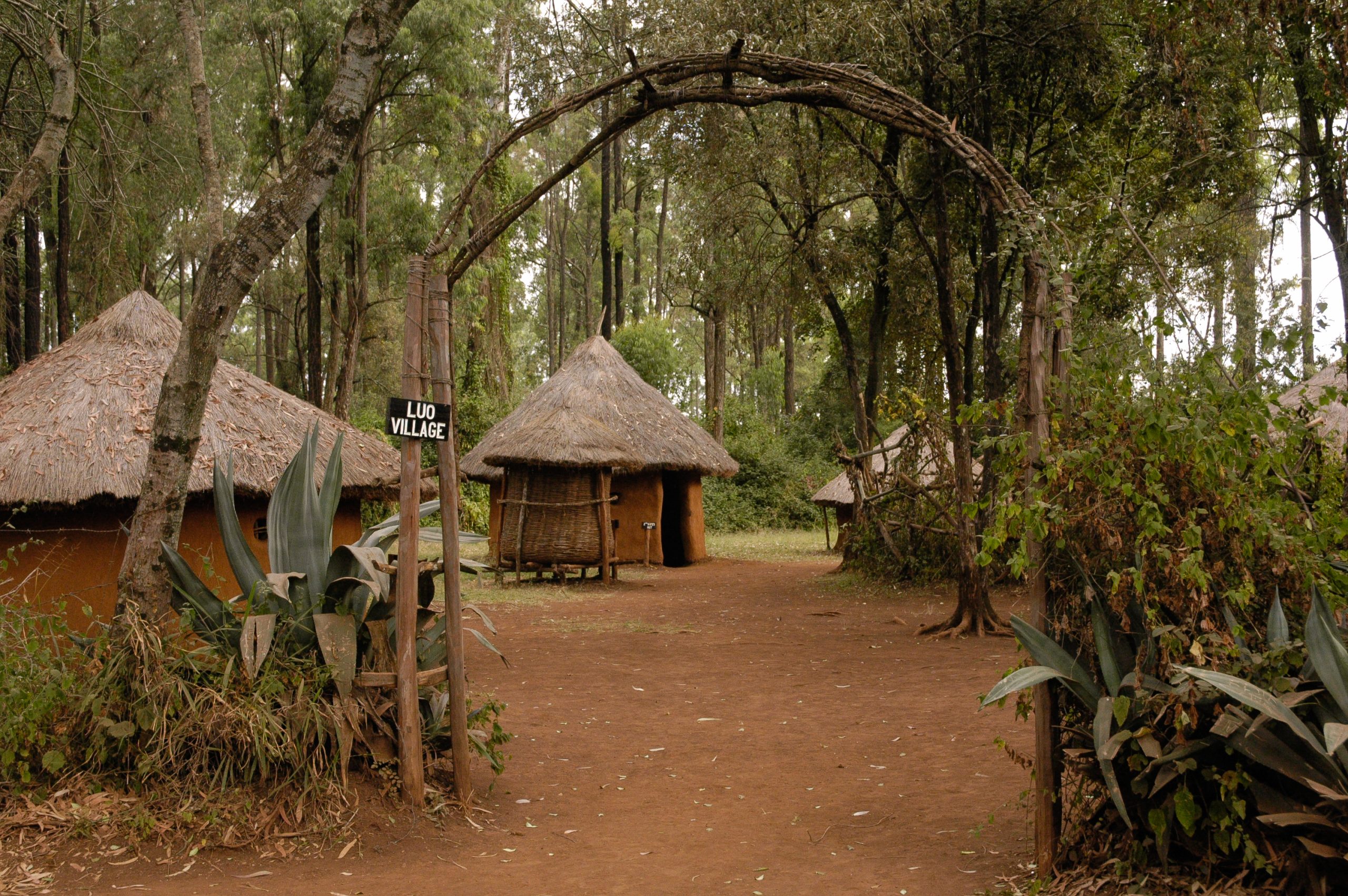
Bomas of Kenya
Bomas of Kenya, on Forest Edge Road in Lang’ata, is a state-owned cultural centre built around two things: a set of traditional homesteads reconstructed in the grounds, and a daily live performance of traditional music and dance in its auditorium. A boma is a homestead, and the plural gives the place its name.
What It Is and Why It Exists
Bomas was established in 1971 to preserve and promote Kenya’s cultural heritage and to present it to visitors, and it has been doing the same job ever since. It is a state corporation rather than a private attraction, which shapes what it is: less polished than a commercial cultural village, and more concerned with keeping a repertoire alive than with putting on a show.
Over the decades it has grown into a multi-purpose venue, hosting conferences, exhibitions and major national events alongside the daily cultural programme. Bomas states it has welcomed over ten million visitors. It is currently developing the Bomas International Convention Complex on the same site, a conference facility intended to put Nairobi further into the international meetings market, and construction work is part of the experience of visiting at the moment.
The Homesteads
The grounds hold reconstructed homesteads representing Kenyan communities, each built in the materials and the layout its people used: the arrangement of huts within a compound, the separation of living and livestock space, the construction of walls and roofs. Walking them is a compressed lesson in how differently people built across a country that runs from coast to desert to highland forest.
This part of the visit is self-guided and quiet. It is also the part people skip when they arrive late for the performance, which is the wrong way round: the homesteads make more sense of the dances than the other way about.
The Performances
The resident company, the Harambee Dancers, perform a repertoire drawn from across the country. Bomas states that more than fifty traditional dances are held in the repertoire, and the daily show rotates through a selection with live music. Acrobatics are usually part of the programme.
The times matter and they change at weekends, so they are worth fixing before setting off.
| When | Performance |
|---|---|
| Monday to Friday | 2.30pm to 4.00pm |
| Weekends and public holidays | 3.30pm to 5.15pm |
| Tuesday and Friday mornings | 11.00am to 12.15pm, school groups, prior booking required |
The morning slot is for school parties and has to be arranged in advance; it is not a general public session. For everyone else the afternoon performance is the one, and arriving an hour before it starts leaves enough time for the homesteads first.
Eating and Practicalities
The Utamaduni Restaurant on site serves Kenyan food, and Bomas makes a point of the range of traditional dishes it cooks. It is a reasonable lunch stop before an afternoon performance rather than a destination in itself.
An entry charge applies. Bomas takes bookings and payments through the government’s eCitizen platform, and does not publish a full public rate card on its own website. Rather than budgeting from a third-party listing, check the current rate through eCitizen or by contacting Bomas directly, and confirm at the same time that the performance is running on the day, since the auditorium is also used for conferences and national events.
Bomas is in Lang’ata, roughly 10 km from the central business district, on the same side of the city as Nairobi National Park. Allow well over half an hour for the drive out from town in normal traffic, and considerably more at rush hour.
Nearby
Bomas sits within a few kilometres of the Giraffe Centre, the Karen Blixen Museum and the Sheldrick elephant nursery, and because its performance runs in the afternoon it fits neatly after a morning spent at the other three. The wider subject is covered under cultural tours, and the city itself on the Nairobi guide.
Questions Visitors Ask
What time is the show?
Weekdays from 2.30pm to 4.00pm, and weekends and public holidays from 3.30pm to 5.15pm. The 11am Tuesday and Friday session is for booked school groups only.
Do I need to book?
Individual visitors have not normally needed to. School and other groups do, particularly for the morning session. Bookings and payment go through eCitizen.
How much is entry?
A charge applies, handled through eCitizen. Bomas does not publish a complete rate card on its own site, so confirm the figure with Bomas or through eCitizen rather than from a travel page.
How long should I allow?
Two to three hours. The performance runs about ninety minutes and the homesteads take an hour to walk properly, so arriving an hour before the show works well.
Is it worth it if I am also visiting communities on safari?
They do different jobs. Bomas gives a national overview in one afternoon, comparing architecture and dance across many communities in one place. A visit to a community on safari gives depth in one place instead of breadth across many.
11 Places to Visit in This Area
Other sites in Nairobi, each with its own guide.
Safaris That Visit Nairobi
3 of the 16 safaris listed here that visit Nairobi, from different operators where the listings allow it. Each is sold and run by an independent tour company. This site lists them and passes on enquiries; it takes no booking and charges you nothing.

12 Days Best of Kenya Safari
by Kori Safaris Verified operator
Operator quotes on request
View Safari

7-Day Fly-In Kenya Safari Package to Maasai Mara and Amboseli
by Insight Safari Holidays Verified operator
Operator quotes on request
View Safari

Kenya Classic: Amboseli, Tsavo & the Mara
by Ancient Africa Safaris Verified operator
From $9,400 per person
View Safari