
Safaris in Kenya
Kenya gave the safari its modern shape, and the country still runs the format better than anywhere. The decision that matters most is not which park to visit but what kind of land a camp stands on, because in Kenya the land designation settles what a visitor is actually permitted to do.
Kenya gave the safari its modern shape, and the country still runs the format better than anywhere. The decision that matters most is not which park to visit but what kind of land a camp stands on, because in Kenya the land designation settles what a visitor is actually permitted to do.
Safaris That Include Safaris
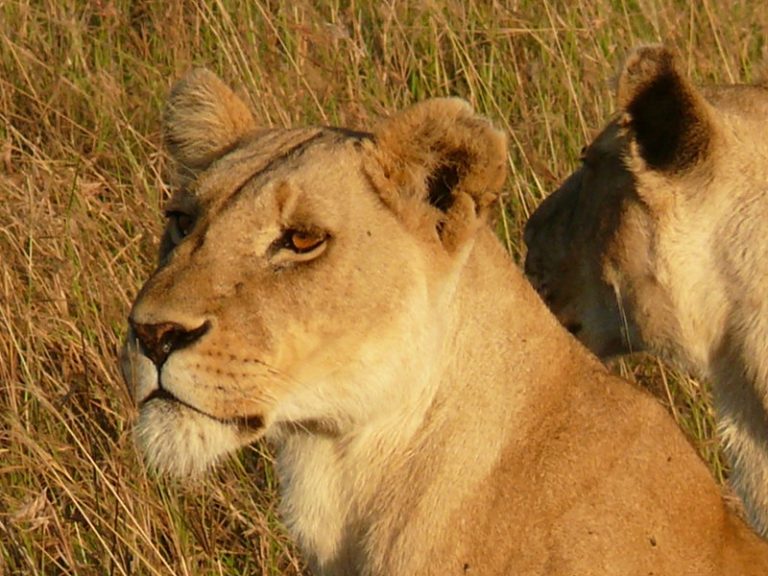

1 Day Nairobi National Park Safari, Kenya Tours
by Kori Safaris Verified operator
Operator quotes on request
View Safari

5 Day Kenya Honeymoon Safari
by Insight Safari Holidays Verified operator
Operator quotes on request
View Safari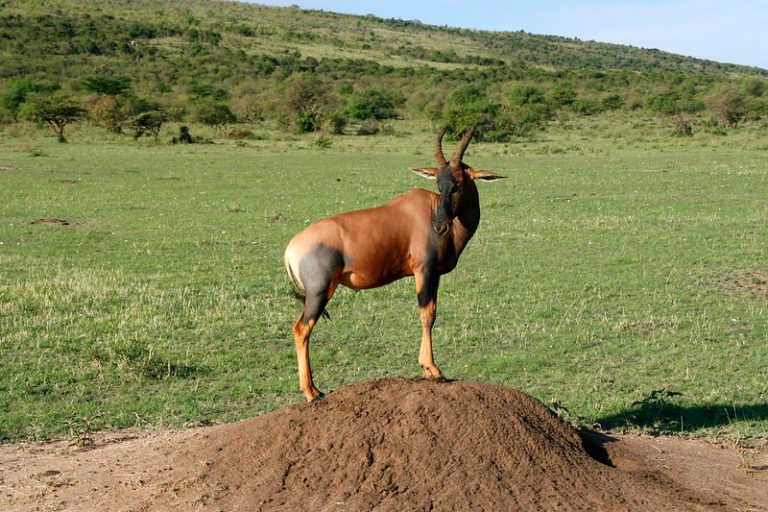
3 Day Kenyan Honeymoon Safari
by Insight Safari Holidays Verified operator
Operator quotes on request
View Safari
7 Days Wildlife Safari in Kenya
by Kori Safaris Verified operator
Operator quotes on request
View Safari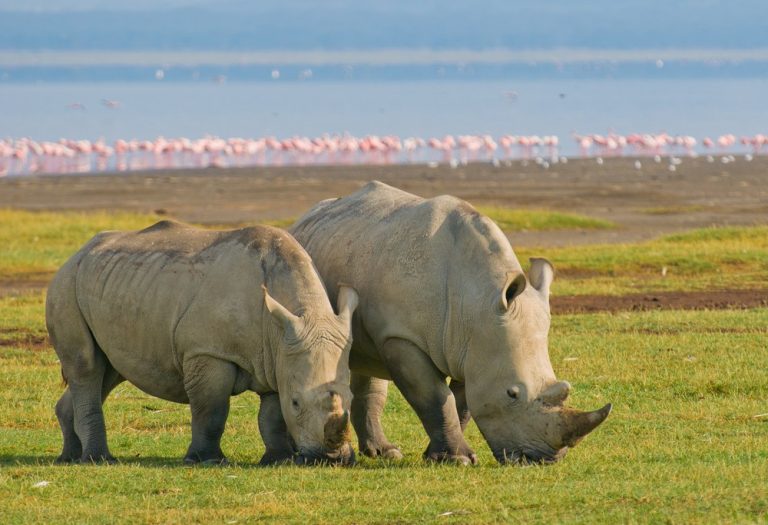

9 Days Kenya Safari
by Wild Whispers Africa Verified operator
Operator quotes on request
View Safari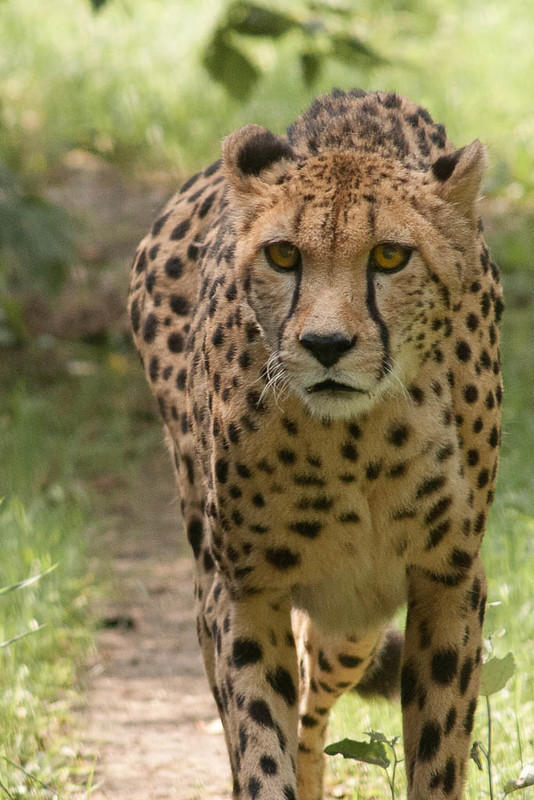

2 Days Masai Mara Safari
by Tranquil Safaris Verified operator
Operator quotes on request
View SafariSee all 39 safaris that include safaris
A Guide to Safaris in Kenya
Kenya is where the word safari acquired its modern meaning, and it is still the country where the format is most fully worked out. A traveller arriving for the first time is usually choosing between parks. That is the wrong first decision. The decision that shapes everything else is what kind of land a camp sits on, because in Kenya the land designation, not the wildlife, settles what a visitor is permitted to do once they arrive.
What a Kenyan Safari Actually Involves
The basic unit is the game drive: a few hours in a vehicle on established tracks, with a driver-guide who is also the spotter, the naturalist and the person deciding when to wait and when to move on. Most trips run two of these a day, one starting at or before dawn and one in the late afternoon, with the hot middle of the day spent back at camp. Everything else a safari might contain, from a balloon flight to a night drive to a walk with an armed ranger, is an addition to that spine rather than a replacement for it.
Sport hunting has been illegal in Kenya since the national hunting ban of 1977, which is why the vocabulary of the safari here is entirely about watching. The protected-area system is older than that again: the Royal National Parks Ordinance was passed in 1945 and Nairobi National Park was gazetted the following year, the first national park in East Africa. Kenya Wildlife Service, which manages the national parks today, was created in 1989 in response to a poaching crisis that had reduced the greater Tsavo black rhino population from more than 8,000 in the early 1970s to fewer than 20.
Parks, Reserves and Conservancies
Three kinds of land carry wildlife in Kenya, and a traveller who understands the difference will make better choices than one who has memorised a list of parks.
National parks are state land managed by Kenya Wildlife Service. The rules are national and consistent. Gates open at 6:00 AM and close at 6:00 PM, and visitors must be out between those hours unless they are staying overnight inside. Visitors remain in the vehicle except in designated areas and keep doors closed. Off-road driving is prohibited, the speed limit is 40 km/h, and wildlife is viewed from a minimum distance of 20 metres. Every park, reserve and sanctuary is a single-use-plastic-free zone.
National reserves are a different legal animal. The Wildlife Conservation and Management Act 2013 defines a national reserve as an area of community land declared to be one, and in practice they are administered by county governments rather than the state. That is why their fees and rules differ from the KWS estate and from each other. The Maasai Mara National Reserve is set by Narok County and Samburu National Reserve by Samburu County. Both carry the same restrictions on walking and driving after dark as the national parks, and both price entry on their own schedule.
Conservancies are private, community or group-owned land set aside for wildlife. The same Act defines a wildlife conservancy as land set aside by an individual landowner, a body corporate, a group of owners or a community for the purposes of wildlife conservation, and requires every national park, marine protected area, wildlife conservancy and sanctuary to be run under an approved management plan. That plan, rather than the national park rulebook, is what governs a conservancy, and it is the legal reason a conservancy can permit things a park cannot. The Kenya Wildlife Conservancies Association counts 215 of them covering more than 10.3 million hectares and employing 4,201 conservancy rangers, and states that conservancies secure the 65 per cent of Kenya's wildlife that lives outside national parks and reserves. Walking, driving after dark, off-road tracking and capped vehicle numbers at a sighting are all conservancy possibilities. Most are closed to day visitors, so access comes with staying inside one.
The practical test: if a specific experience matters more than a specific place, check the land designation before choosing the destination. Walking safaris and night game drives are the two activities this decides most sharply.
What a Day on Safari Looks Like
Kenya sits on the equator, so the day is close to twelve hours long in every month of the year and the light changes fast at both ends. Camps wake guests somewhere between 5:30 and 6:00, and the first vehicle leaves as the gate opens or, on conservancy land, before it would have. The first two hours are the productive ones: predators are still moving, the air is cold enough that animals are active, and the light is usable. By nine or ten the heat has pushed most things into shade and the drive turns into birding and landscape.
The middle of the day is genuinely dead for game viewing. Most itineraries return to camp for lunch and a long gap, and travellers who try to fill it usually regret the fuel and the dust. The afternoon drive leaves around four and runs until the gate closes, which in a national park means being through the gate by six with no grace period. Camps inside a park do not have that constraint in the same way, and conservancy camps have none of it at all, which is why the same three-hour drive can end very differently depending on where the bed is.
Kenya's Safari Circuits
Kenya divides into a handful of clusters that combine sensibly, and trying to see all of them in one trip is the commonest planning error. Distances look modest on a map and are slow on the ground.
The southern circuit is the one most first trips use: the Maasai Mara and its surrounding conservancies, Amboseli, Tsavo East, Tsavo West, the Chyulu Hills and Nairobi National Park on the way in or out. The Rift Valley sits within easy reach of Nairobi and offers a different landscape entirely: Lake Naivasha, Lake Nakuru, Lake Bogoria and Hell's Gate.
North and east of the highlands the country changes character. Laikipia, Ol Pejeta, Lewa, Samburu and Meru are drier, emptier and hold species that do not occur in the southern parks. Mount Kenya and the Aberdares are forest and moorland rather than savanna. Further out, Lake Turkana, Kakamega Forest and Mount Elgon are trips in their own right rather than add-ons. The coast is usually the second half of a safari rather than part of it, and each of these places carries its own guide with the detail this page deliberately leaves out.
Getting Between Parks
Two systems operate in parallel. Road transfers in a dedicated vehicle are the default for most trips, and they mean the vehicle and guide stay with the group for the whole journey. The tarmac is good on the main trunk routes and unreliable on the last stretch into several of the big parks, which is where low-clearance vehicles come unstuck, particularly after rain.
Light aircraft run scheduled circuits from Wilson Airport in Nairobi rather than the international airport, and they convert a six-hour drive into an hour. That changes the arithmetic of a short trip completely, at the cost of luggage limits and of arriving without a vehicle of your own. Fly-in safaris and self-drive safaris sit at opposite ends of this decision and each has a guide of its own. The Standard Gauge Railway is a third option on the Nairobi to Mombasa corridor and puts Voi, a Tsavo East gateway, on a train line.
Park Entry Fees and How They Work
Kenya Wildlife Service prices entry by park category rather than by park, in four traveller classes: East African citizen, Kenya resident, African citizen and non-resident. A daily fee covers a single access valid for no more than twenty-four hours. A child is defined as five years old up to eighteen. Kenyan citizens aged seventy and over, persons with disability, children aged five and under, and tour drivers, guides, boat crew and porters registered with the Tourism Regulatory Authority are exempt.
| Category | Parks it covers | East African citizen adult | Non-resident adult |
|---|---|---|---|
| Premium | Amboseli, Lake Nakuru | KSh 1,500 | USD 90 |
| Urban | Nairobi National Park | KSh 1,000 | USD 80 |
| Wilderness A | Tsavo East, Tsavo West | KSh 1,000 | USD 80 |
| Wilderness B | Meru, Kora, Aberdare | KSh 800 | USD 70 |
| Mountain | Mount Kenya | KSh 800 | USD 70 |
| Scenic | Hell's Gate, Mount Longonot, Mount Elgon, Shimba Hills, Kakamega | KSh 500 | USD 50 |
| Marine | Watamu, Malindi, Mombasa, Kisite Mpunguti | KSh 500 | USD 25 |
Vehicles are charged separately by seat band, from KSh 600 a day for anything under six seats up to KSh 5,000 for a coach of forty-five seats and above. These are the figures in the Kenya Wildlife Service conservation fee schedule published in October 2025, checked on 21 September 2026. The Maasai Mara and Samburu are not in this schedule at all, because they are county reserves that set their own rates through a county Finance Act, and the Mara in particular carries a seasonal split that no KWS park has.
Guides and Vehicles
The guide matters more than the vehicle and considerably more than the camp. The Kenya Professional Safari Guides Association runs a voluntary three-grade certification that is the clearest signal available. Bronze is the entry examination, a hundred multiple-choice questions covering birds, mammals, plants, insects, reptiles, cultures, geography, history, conservation and first aid. Silver requires three further years in the field and adds short and long answer papers, practical identification, map reading and ecology. Gold requires three years beyond that, plus submissions, vetting and a three-day field assessment. A Silver or Gold guide is a different proposition from a competent driver, and on a walking safari the difference is a safety matter rather than a preference.
Vehicles come in two broad shapes. The pop-top minibus or Land Cruiser with a roof hatch is the workhorse of road-based trips: enclosed, dusty but comfortable over long transfers, and workable for photography if everyone in it is patient. The open-sided 4x4 used by most camps gives a clear line of sight and no glass, and it is what conservancy and fly-in camps put in the field. Seat allocation in a shared vehicle is worth asking about before departure, because a middle seat on a full vehicle is a materially different experience from a window.
When to Go
Kenya has two rainy seasons. The long rains fall roughly from late March into June and are the quietest and greenest period; Kenya Wildlife Service describes April to June as its low season and notes that many park roads then need four-wheel drive. The short rains come in November and December and are usually intermittent enough not to interrupt a trip. The two dry windows, from late June to October and again from January to March, are when vegetation thins, animals concentrate near water and the roads are easiest.
Two caveats apply in every month. Most Kenyan safari country sits high enough that dawn is genuinely cold regardless of the season, and an open vehicle at 6:00 AM at 1,500 metres needs a fleece. And the busiest months in the southern parks are driven by the Great Migration rather than by the weather, so shifting dates by a fortnight either side of the peak changes the number of vehicles far more than it changes the wildlife.
What Else a Safari Can Include
The game drive is the default, not the limit. Several additions are substantial enough to be planned around rather than slotted in, and each has its own guide: hot air balloon safaris, walking safaris, night game drives, horseback safaris, camel safaris, birdwatching, wildlife photography, camping safaris, wildlife conservation experiences, stargazing and Maasai cultural experiences. The full set sits on the things to do hub, and the places themselves are on the destinations hub.
Three planning guides sit behind the choices on this page: best time to visit Kenya for the month, how many days you need in Kenya for the length and the regions, and how much a Kenya safari costs for the published fees and what drives the rest.
Questions About Safaris in Kenya
How many days does a Kenya safari need?
Three nights in one park is the shortest arrangement that produces a proper rhythm rather than a rushed transfer, and most travellers find that two or three areas over seven to ten nights is the point where a trip stops feeling compressed. Distances are the constraint. Adding a fourth park to a week usually means spending a whole day in a vehicle on a road rather than in one looking at animals.
Is a national park better than a conservancy?
They are different products rather than better and worse. Parks are open to anyone who pays at a gate, which means more vehicles and no cap at a sighting, and they contain the landmark landscapes and the river crossings. Conservancies cap vehicle numbers, permit walking and driving after dark, and are usually accessible only to guests staying inside. A trip that includes one of each covers more ground than one that doubles up.
Do I need a four-wheel drive vehicle?
For the main southern parks in the dry season, a two-wheel drive vehicle with decent clearance will usually manage, though the final approach roads to several gates are rough enough to punish low clearance at any time of year. From April to June it is a different question, and Kenya Wildlife Service itself notes that many park roads then require four-wheel drive. Anyone driving themselves should assume they will need it.
Can I do a safari from Nairobi without staying in a park?
Partly. Nairobi National Park sits on the city boundary and works as a half-day out, and the Rift Valley lakes are within a comfortable drive. Everything else is far enough that a day trip means most of the day in a vehicle. Nairobi is a good first and last night rather than a base.
What is the difference between a national reserve and a national park?
Ownership and therefore rules. National parks are state land under Kenya Wildlife Service with one national rulebook and one fee schedule. National reserves are county land, so entry fees are set by a county Finance Act and can change on a different timetable, and management standards vary between reserves in a way they do not between parks.
Are park fees paid separately or included?
It depends entirely on how the trip is arranged, which is why the question is worth asking explicitly rather than assuming. Fees are charged per person per day for entry plus a separate daily charge for the vehicle, and in a county reserve they are charged on a different schedule again. Whoever is organising the trip should be able to state which fees are covered and which are payable at the gate.
Is it safe to go on safari in Kenya?
The wildlife risk on a normal game drive is low and is managed by the rules rather than by luck: stay in the vehicle, keep doors closed, keep 20 metres back, do not feed anything. The commonest genuine hazards are road transfers, sun and dehydration, and the gap between what a camp's website promises and where it actually sits. Checking the land designation of a camp before committing solves more problems than any other single precaution.