Wildlife Photography in Kenya
In Kenya the limiting factor on a wildlife photograph is rarely the animal. It is the rulebook, the light and the vehicle, in that order. A photographer who understands what the regulations allow before choosing where to stay will come home with better material than one who packs a longer lens.
In Kenya the limiting factor on a wildlife photograph is rarely the animal. It is the rulebook, the light and the vehicle, in that order. A photographer who understands what the regulations allow before choosing where to stay will come home with better material than one who packs a longer lens.
Safaris That Include Wildlife Photography
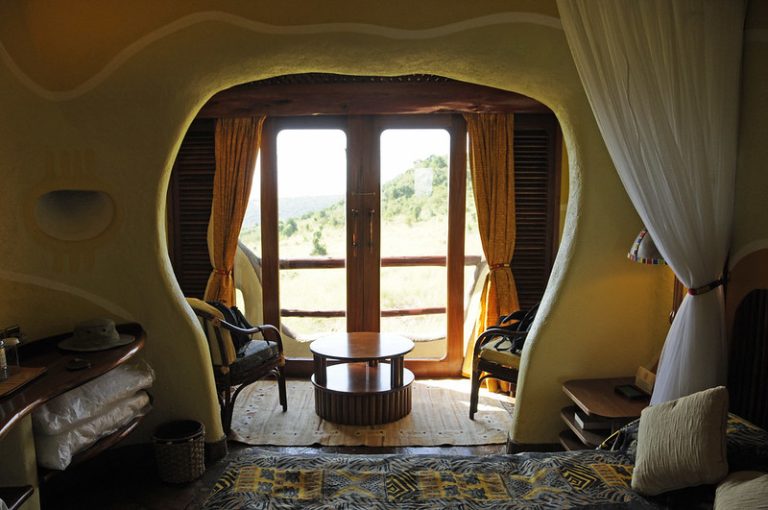

3 Days Amboseli National Park Safari, Adventure Kenya
by Kori Safaris
Operator quotes on request
View Safari

Kenya Classic: Amboseli, Tsavo & the Mara
by Ancient Africa Safaris
From $9,400 per person
View Safari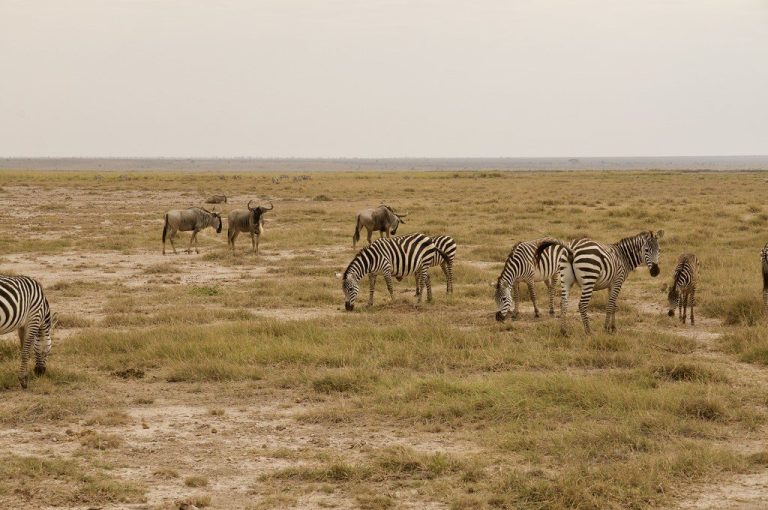

3 Days Amboseli National Park Safari
by Tranquil Safaris
Operator quotes on request
View SafariWildlife Photography Guide in Kenya
Kenya is one of the few countries where the limiting factor on a wildlife photograph is rarely the animal. It is the rulebook, the light and the vehicle, in that order. A photographer who understands what the regulations will and will not allow before choosing where to stay will come home with better material than one who packs a longer lens.
The Rules That Shape Every Photograph
Kenya Wildlife Service park rules apply across the national parks it manages and, in substance, in the county-run national reserves as well. Visitors remain in the vehicle except in designated areas and keep doors closed. Off-road driving is strictly prohibited and vehicles must stay on established roads and trails. Wildlife is viewed from a minimum distance of 20 metres. Gates open at 6:00 AM and close at 6:00 PM. The speed limit is 40 km/h.
Read that list as a photographic specification and its consequences are immediate. Shooting height is fixed by the vehicle, so most park images are taken looking slightly down at the subject. Position is dictated by where a road happens to run relative to where an animal happens to be. Eye-level and low-angle images, the ones that separate a serious portfolio from a holiday album, are not obtainable in a national park unless the ground falls away or the animal comes to the track. And a subject 20 metres away fills a frame very differently from one at eight.
Conservancy land is the answer to all of that, and it is why photographers pay for it. Conservancies operate under their own management plans, which commonly permit controlled off-road driving to reposition for light and background, and permit guests out of the vehicle in the right circumstances. The choice between a park and a conservancy is therefore a photographic decision, not a comfort one.
Light on the Equator
Kenya sits on the equator, so the day runs close to twelve hours in every month and the sun climbs steeply. That produces a short, hard golden window at each end and a long stretch of unusable overhead light in between. Sunrise falls broadly between 6:00 and 6:45 and sunset between 6:15 and 7:00 across the year, which is why gate hours and shooting hours are the same argument.
The practical effect is that a park-based photographer gets perhaps ninety usable minutes at dawn and a similar stretch before the gate closes, minus the drive out and back. A camp inside the park removes the commute. A conservancy camp removes the gate as well, which is how photographers end up shooting the last of the light and the first of the dark rather than watching it from a vehicle heading for an exit.
Dust is the other constant. In the right light it is an asset rather than a problem: backlit dust around elephants in Amboseli or on the red soils of Tsavo is one of the few genuinely distinctive Kenyan looks. It is also what destroys sensors and zoom mechanisms.
Where the Pictures Are
Different landscapes solve different photographic problems, and the shortest route to a varied portfolio is to visit three of them rather than to spend nine nights in one.
- The Maasai Mara for open grassland, uncluttered backgrounds and the highest big cat density in the country, plus the Great Migration between roughly July and October.
- Amboseli for elephants at close range, dust, open pans and a mountain backdrop that is present at dawn and gone by mid-morning.
- Samburu for dry-country species that do not occur further south, a river line that concentrates them, and warm rock and sand tones.
- Tsavo East and Tsavo West for red dust, scale and emptiness, and a landscape that rewards wide lenses more than most.
- Lake Nakuru and Lake Bogoria for birds in numbers and for rhino in open country.
- Laikipia, Ol Pejeta and Lewa for rhino, Grevy's zebra and the off-road latitude that conservancy land allows.
- The Mara conservancies, Mara North, Mara Naboisho, Olare Motorogi, Ol Kinyei and Olderkesi, for capped vehicle numbers at a sighting.
Vehicles, Position and Access
The single most consequential booking decision a photographer makes is whether the vehicle is private or shared. On a shared vehicle, position is a compromise between everyone in it and the guide will move on when the group has had enough. On a private vehicle, a photographer can spend three hours on one leopard, arrive before light and wait, and ask for the vehicle to be repositioned repeatedly for the sun. Everything else, including the lens, matters less than that.
Vehicle type is the next question. An open-sided 4x4 gives clear sight lines and no glass; a pop-top gives shade, dust protection and a roof hatch to stand in. Bean bags on a window ledge or roof edge beat a tripod in a vehicle by a wide margin, and most serious camps have them. A few properties maintain sunken or ground-level hides at waterholes, which is the one reliable route to a genuinely low-angle image inside a protected area.
Briefing the guide is worth more than most photographers expect. A guide told at the start of a drive that the priority is light, background and behaviour rather than a species checklist will drive completely differently, and will often know exactly where to put the vehicle an hour before the animal arrives.
Permits for Cameras and Drones
An amateur photographing from a vehicle on a normal game drive needs nothing beyond park entry. Beyond that, Kenya Wildlife Service publishes a tariff that a great many visiting photographers are unaware of. Filming or photography fees are charged per week, exclusive of conservation fees, by crew size: KSh 16,000 or USD 200 for one to five crew members, KSh 24,000 or USD 350 for six to ten, and KSh 40,000 or USD 500 for eleven and above. Photo sessions for weddings, graduations and personal events are charged per group at KSh 20,000 or USD 300, exclusive of conservation fees. Approved off-road activity, which includes commercial filming and photography, attracts an ecological restoration fee of 20 per cent of the total cost of the activity.
Drones are the sharpest trap. Kenya Wildlife Service charges for them per drone per day per park, KSh 5,000 for East African citizens and USD 300 for non-residents, and the tariff line states plainly that a Kenya Civil Aviation Authority licence is required. The national rules sit on top of that: drones brought into Kenya need authority approval before arrival or they are liable to be held at the point of entry, and flying one commercially or recreationally is a licensed activity rather than an open one. All of these figures come from the Kenya Wildlife Service conservation fee schedule published in October 2025, checked on 21 September 2026. Conservancies set their own drone policy and most refuse them outright.
The line between amateur and commercial is drawn by the park, not by the photographer. Anyone shooting to a brief, with a crew, for a client or for stock should assume the filming tariff applies and arrange it in advance through park management rather than at a gate.
Kit for Kenyan Conditions
The focal range that covers most situations runs from about 100mm to 500 or 600mm, and the mistake photographers make more often than under-reaching is over-reaching: a great deal of the best Kenyan material is animal-in-landscape at 70mm to 200mm, particularly in Amboseli and Tsavo where the setting is the subject. A second body saves changing lenses in dust, which is the main argument for carrying one.
Beyond optics the list is short. More cards and batteries than seem necessary, because charging in camp is often solar and rationed. A blower and sensor swabs. Something to cover the camera on transfers. A bean bag rather than a tripod. And a plan for backing up in the field.
Ethics at a Sighting
Kenya's rules exist because the pressure is real, and the behaviour that gets photographers a reputation is the behaviour that eventually gets activities restricted. The 20-metre minimum is a legal distance, not a target. Blocking an animal's line of travel to improve a composition, which happens constantly at migration river crossings, can stop a crossing outright and there is documented evidence of exactly that. Driving off-road where it is prohibited damages habitat and is an offence.
The more ordinary discipline is vehicle etiquette. Arriving at an occupied sighting means joining the line rather than pushing to the front, and leaving when the queue behind is long. At a kill, at a den, and with cubs, distance and short visits are the difference between a wild population and a harassed one. A guide who declines to move closer is usually right.
Light, vegetation and vehicle numbers all move with the month, and best time to visit Kenya sets out which months give which.
Questions Photographers Ask About Kenya
Do I need a permit to photograph wildlife in Kenya?
Not for ordinary personal photography from a vehicle on a game drive, which is covered by park entry. Kenya Wildlife Service does publish weekly filming and photography fees scaled by crew size, and a separate charge for organised photo sessions, so anything resembling a production, a shoot for a client or a crew should be arranged in advance. Drones are a separate matter and always require authorisation.
Can I fly a drone over a national park?
Only with a Kenya Civil Aviation Authority licence and after paying the park's per-drone daily charge. Bringing a drone into the country without prior approval risks it being held at the point of entry. Most conservancies and camps prohibit drones regardless of what the park allows, on the grounds of disturbance and guest privacy, so the answer on any given piece of ground is likely to be no.
What is the best time of year for photography?
The dry months from late June to October and from January to March give thinner vegetation, concentrated animals and dependable light, and July to October carries the migration. The green season from late March to June is far less photographed and produces dramatic skies, clean air and newborn animals, at the cost of harder roads and thicker cover. There is no single right answer, only a trade between conditions and crowds.
Is a private vehicle worth the difference?
For anyone serious about images, it is the highest-value upgrade available and it outranks equipment. Control over departure time, how long to stay at a sighting and where the vehicle sits relative to the sun is what determines whether a photographer is taking pictures or taking snapshots of what the group happened to stop for.
Can I get out of the vehicle for a landscape shot?
Not in a national park or national reserve except in designated areas such as picnic sites and viewpoints, where it is explicitly allowed. Doing so elsewhere is both an offence and genuinely dangerous. On conservancy land the guide decides, and the answer is frequently yes.
How do I protect equipment from the dust?
Assume everything will be coated by the end of the first transfer. Keep bodies bagged when not in use, minimise lens changes by carrying two bodies where possible, carry a blower rather than compressed air, and clean at the end of each day rather than at the end of the trip. Zoom barrels and weather sealing both suffer more from fine red dust than from rain.