
Things To Do in Kenya
Kenya packs an unusual number of distinct holidays into one country. The same trip can take in a savannah game drive, a glacier-topped equatorial mountain, a coral reef, a soda lake covered in flamingos and a Swahili stone town that has been trading across the Indian Ocean for a thousand years. That range is the reason Kenya rewards planning around activities rather than around a map. Once you know which kind of experience you are actually after, the choice of where to go answers itself.
The guides in this section are organised into five families. Each family shares a rhythm, a season, a cost profile and a type of traveller, and the families rarely mix well inside a short trip. This page explains what separates them and routes you to the individual activity guide.
How this section differs from the rest of the site. An activity guide answers what can I do across the whole country. A destination guide answers where should I go. An attraction page answers what should I see once you are there. The three are kept deliberately separate so that each one can be thorough without repeating the others.
Safari and Wildlife Experiences
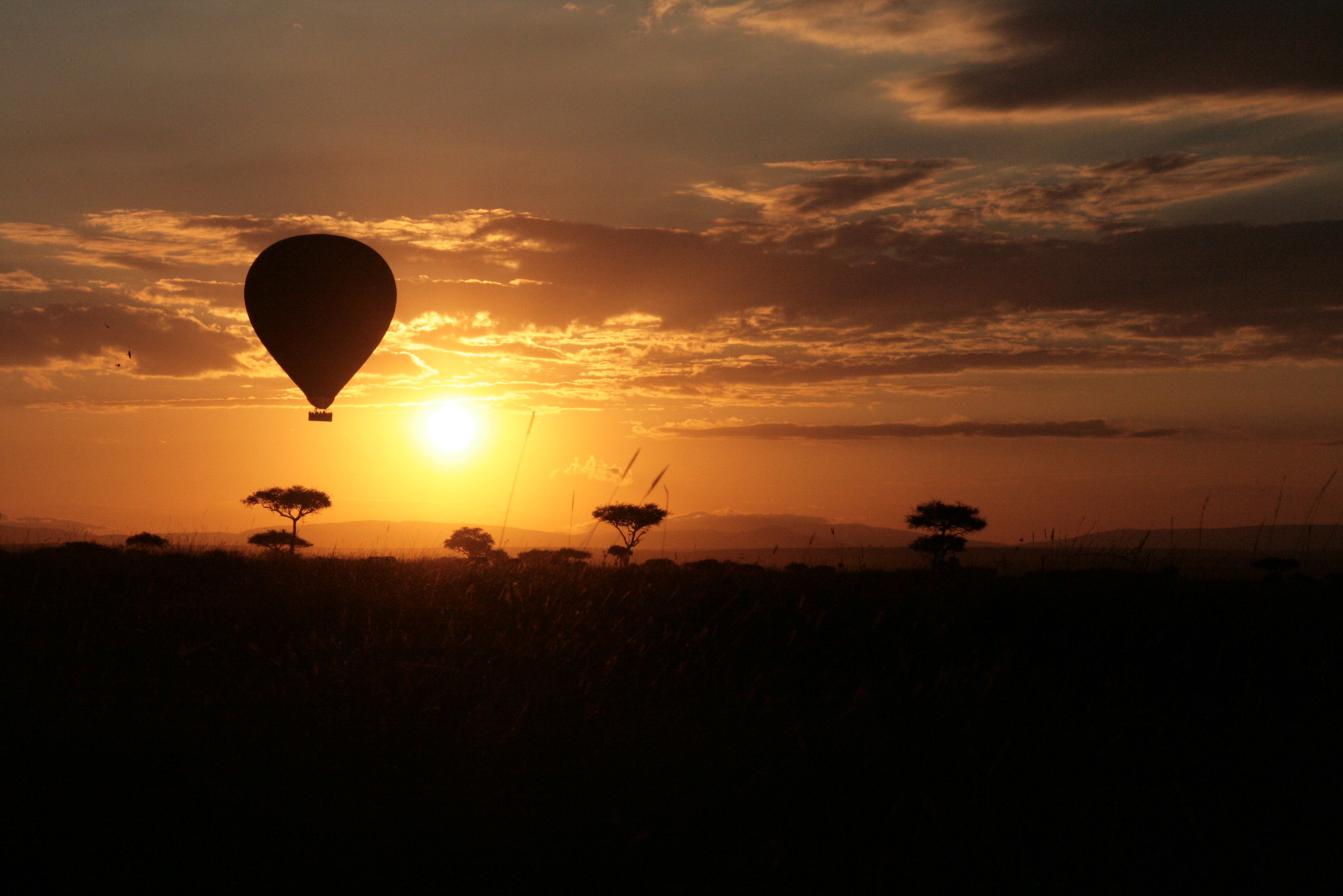
This is the family most people come to Kenya for, and it is wider than it first appears. The core of it is the game drive, but the interesting decisions are about how you travel through wildlife country rather than whether you do. A vehicle covers ground and finds predators. A walk teaches you the things a vehicle drives past. A balloon gives you the shape of the landscape. A horse or a camel lets you move among plains game without the engine noise that keeps them at a distance.
These experiences also divide by budget and independence in a way the others do not. A fly-in trip trades road time for money. A self-drive or camping trip trades comfort for control and cost. Photography and birdwatching trips are built around light and patience rather than distance covered, and they usually mean fewer places and longer stays.
- Safaris in Kenya
- The Great Migration in Kenya
- Walking Safaris
- Night Game Drives
- Hot Air Balloon Safaris
- Horseback Safaris
- Camel Safaris
- Birdwatching
- Wildlife Photography
- Fly-In Safaris
- Self-Drive Safaris
- Camping Safaris
- Wildlife Conservation Experiences
Who it suits. Almost everyone on a first trip. The family splits properly on your second visit, when the question stops being whether you will see lions and becomes whether you want to be on foot, in the air, behind a long lens or sleeping under canvas.
Mountains, Hills and Hiking
Kenya’s highland activities are a genuinely separate holiday from its wildlife ones, and they draw a different crowd. Mount Kenya reaches 5,199 metres and is the second highest peak in Africa, an extinct volcano with twelve remnant glaciers and four secondary peaks standing above U-shaped glacial valleys, according to the UNESCO World Heritage record for the national park and natural forest. It is a serious multi-day trek at altitude, not an afternoon out.
Below that there is a whole tier of walking country that asks far less of you: forested escarpments, crater rims, waterfall gorges and volcanic hills that can be done in a morning. Cycling and mountain biking occupy an odd and attractive niche here, because most Kenyan national parks require you to stay in your vehicle, and a handful do not. Hell’s Gate is the best known of the exceptions, and Kenya Wildlife Service describes it as supporting hiking, cycling and rock climbing on its open terrain.
- Hiking in Kenya
- Mountain Climbing
- Rock Climbing
- Cycling
- Mountain Biking
- Forest Walks
- Waterfall Hiking
- Caving
Who it suits. Travellers who want to earn the view, and anyone who finds sitting in a vehicle for six hours harder work than walking. Altitude is the deciding variable: a Rift Valley crater walk and a Mount Kenya summit attempt share a category but almost nothing else.
Water, Coast and Marine Activities
Kenya’s Indian Ocean coast runs for hundreds of kilometres and carries a fringing coral reef, a chain of islands, mangrove creeks and a sailing tradition older than any of the resorts along it. The marine family divides cleanly in two. There are the reef activities, which depend on visibility and therefore on season and rainfall. And there are the surface activities, which depend on wind and swell, and which often peak precisely when the diving is at its worst.
Inland water is a separate proposition again. Rafting and kayaking happen on rivers fed by highland rain, and canoeing on the Rift Valley lakes is a birding activity as much as a paddling one. None of this mixes naturally with a safari week, which is why coast time is normally added at the end of a trip rather than threaded through it.
- Snorkelling
- Scuba Diving
- Kitesurfing
- Surfing
- Deep-Sea Fishing
- Sport Fishing
- Dhow Cruises
- Dolphin Watching
- Whale Watching
- Sea Turtle Watching
- Mangrove Tours
- Island Hopping
- Beach Holidays
- White-Water Rafting
- Kayaking
- Canoeing
Who it suits. Anyone adding recovery time to a safari, families who need the trip to have a second gear, and specialists. Divers, kitesurfers and big-game anglers all plan their dates around conditions rather than around wildlife, so they are usually the ones building the itinerary backwards from the coast.
Culture, Food and Heritage
Kenya’s cultural experiences are distinct from its wildlife ones in a way that is easy to miss when they are sold as an add-on to a game drive. The pastoral cultures of the Mara, Samburu country and the Lake Turkana basin are living communities, not exhibits, and the better visits are organised through conservancies and community trusts that the same people own. The coast is a different history entirely: Swahili towns built of coral stone and mangrove timber, shaped by centuries of trade with Arabia, Persia, India and Europe.
Heritage and archaeology form their own thread and reach much further back. The Koobi Fora deposits on Lake Turkana have, in UNESCO’s assessment, contributed more to the understanding of palaeo-environments than any other site on the continent. The dry-stone enclosures of Thimlich Ohinga in the Lake Victoria basin were probably built in the sixteenth century. Food and estate tours are the gentlest entry point of all, and the one most likely to fit around a city stay.
- Maasai Cultural Experiences
- Samburu Cultural Experiences
- Turkana Cultural Experiences
- Swahili Cultural Experiences
- Cultural Tours in Kenya
- Heritage Tours
- Archaeological Tours
- Kenyan Food Tours
- Cooking Classes
- Coffee Tours
- Tea Tours
- Local Market Tours
Who it suits. Repeat visitors, travellers who find a week of game drives repetitive, and anyone whose interest in a place is in the people living in it. This family also carries the strongest ethical questions of any on the page, which the individual guides deal with directly rather than gloss over.
Special Interest and Slower Travel
The last family is small and does not belong anywhere else. These are trips organised around one narrow thing, where the rest of Kenya is scenery rather than the point. Stargazing is a real proposition in the north, where Kenya Wildlife Service points to the remote location, expansive night skies and minimal light pollution at Marsabit as conditions for astro-tourism, and describes similar clear-sky conditions at Meru and Sibiloi. Scenic flights turn the Rift Valley escarpments and the northern deserts into a single legible landscape in a way no road journey can.
Who it suits. Travellers with one specific reason to be in Kenya. These guides are written for people who already know what they want and need to know where and when it is possible.
What the Rules of the Protected Area Decide
More of Kenya’s activity choice is settled by land designation than by geography, and this is the single most useful thing to understand before you compare guides. Kenya Wildlife Service sets out the rules that apply in the national parks it manages: visitors remain in the vehicle except in designated areas, off-road driving is prohibited, gates open at 6:00 AM and close at 6:00 PM unless you are staying overnight, and a 40 km/h speed limit applies.
Those rules explain a pattern that otherwise looks arbitrary. Walking safaris, night game drives and off-road tracking of a moving animal are largely conservancy activities, because conservancies are privately or community-held land governed by their own management agreements rather than by park regulations. The same species, the same ecosystem, sometimes a shared boundary, and a completely different set of permissions.
The practical consequence. If a specific experience matters more to you than a specific place, check the land designation before you choose the destination. An activity that is impossible inside a national park may be routine on the conservancy next door.
A few protected areas are deliberate exceptions and are worth knowing for that reason alone. Hell’s Gate National Park, on the floor of the Rift Valley, supports hiking, cycling and rock climbing on open terrain. Saiwa Swamp, which Kenya Wildlife Service describes as Kenya’s smallest national park, is explored on boardwalks over the swamp rather than from a vehicle at all, and is the place to look for sitatunga and De Brazza’s monkey.
Experiences That Sit Inside Other Guides
Several things people search for are real experiences but do not get a page of their own, because they are inseparable from a larger subject and a standalone page would simply repeat it. Game drives are the substance of safaris in Kenya, not a separate activity. Big Five viewing, and lion, cheetah, leopard and elephant watching, are covered inside the safari and wildlife guides rather than split by species.
Bush breakfasts, bush dinners and safari picnics are handled together as bush dining rather than one page each. Sunrise and sunset watching are sections within the destination guides, since the answer is entirely about where you are standing. Village walks, beadwork, weaving, music and dancing belong inside the cultural experience guides above. Swimming is support content under the beach, lake and accommodation guides.
Family, honeymoon, luxury, budget and private safaris are a different matter again. Those are trip types rather than activities, and they live with the safari packages that operators sell, not in this section.
How Activities Connect to Destinations and Attractions
The three sections of this site are designed to be read in sequence rather than in competition. Start here if you know what you want to do and not yet where. Move to Kenya destinations once the activity is settled, because that is where the regional trade-offs live: which parts of the country support your chosen activity, how they differ in character and what a realistic route looks like. Use Kenya attractions last, to see the named sights inside each place you have chosen.
Every activity guide names the destinations where the activity is genuinely strong and links to them. Every destination guide names its attractions and links to them. Nothing is written out twice, which means following a link is always worth it rather than a rerun of what you just read.
Questions About Things To Do in Kenya
Why are walking safaris and night drives only available in some places?
Because of land designation rather than wildlife. Kenya Wildlife Service rules for the national parks it manages require visitors to remain in their vehicle outside designated areas and prohibit off-road driving, and park gates operate on fixed daytime hours. Conservancies are privately or community-held land operating under their own management agreements, so walking with an armed guide, driving after dark and tracking off-road are generally possible there. Check the designation of the area, not just its name.
Can I combine several activity families in one trip?
Two families usually work. Three rarely do. Safari and coast is the classic pairing because the two have different rhythms and the coast makes a natural second half. Safari and a Mount Kenya trek is harder than it looks, because the trek needs several days at altitude and does not slot into gaps. Culture and food combine easily with anything, since they largely happen in the places you are already passing through.
Do these activity guides tell me when to go?
Each one covers seasonality for that specific activity, which matters because the activities do not share a calendar. Reef visibility, highland trekking conditions, wind for kitesurfing, river levels for rafting and wildlife movement on the plains all peak at different times, and a date that is ideal for one can be poor for another. If your trip is built around a single activity, read that guide’s seasonal section before fixing dates.
Is a cultural visit worth doing, or is it staged for visitors?
It depends almost entirely on how the visit is organised and who receives the money. Visits arranged through community conservancies and trusts, where the community holds the land and sets the terms, tend to be substantially different from ones arranged as a roadside stop. The cultural guides in this section set out what to ask before agreeing to a visit, and are candid about the versions that are not worth your time.
What is the difference between an activity guide and a safari package?
An activity guide is informational. It explains what the experience involves, where in Kenya it works, what conditions affect it and how to judge whether it suits you, and it is not for sale. A safari package is a commercial product that an independent tour company sells, with its own dates, inclusions and terms. This site is a marketplace that compares those operators and passes an enquiry to whichever one sells the trip. It does not sell trips itself, take bookings or handle payment.
Which activities need specialist fitness or certification?
Mountain climbing on Mount Kenya is the most demanding, and the limiting factor is altitude acclimatisation rather than raw fitness, which is why the routes are planned over several days. Scuba diving needs certification for anything beyond a supervised introductory dive. Rock climbing, caving, kitesurfing and white-water rafting all have entry-level options alongside serious ones. Everything else on this page, including walking safaris and most waterfall and forest hikes, is available to anyone in ordinary health.