
Lake Naivasha: A Rift Valley Safari and Day Trip Guide
Lake Naivasha is the freshwater lake at the centre of Kenya’s most accessible safari region, roughly ninety kilometres northwest of Nairobi in the Great Rift Valley. Most visits run either as a long day trip from the capital or as a two night base for boat safaris, walking safaris and the parks nearby. The lake sits at 1,884 metres in Nakuru County, beside the town of Naivasha, and has been a Ramsar wetland of international importance since 10 April 1995.
Why Lake Naivasha Works as a Rift Valley Safari Base
Three things make Naivasha unusual among Kenyan safari destinations, and none of them is the wildlife.
The first is the water itself. Naivasha is fresh, which almost no other lake on this stretch of the Rift Valley is. It has no visible outlet, and the working explanation is a combination of underground seepage and salts settling out of the water column. That freshness is why the shoreline grows papyrus and acacia rather than the soda crust you get at Lake Bogoria, and why the wildlife here is hippo and fish eagle rather than flamingo.
The second is the geography. The lake is ringed by extinct and dormant volcanoes and fed by the Malewa and the Gilgil, which drain off the Aberdare mountains. The Ramsar record covers 30,000 hectares. That volcanic ring is what puts Hell’s Gate National Park and Mount Longonot within a short drive of the same lodge.
The third is simply how close it is. You can leave Nairobi after breakfast, do a boat safari and a walking safari, and be back for dinner. Very little else in Kenya offers that.
What Naivasha is not is a big game destination. There are no lions on the lakeshore, no elephants, and the reason the walking is possible at all is that the predators are absent. Travellers who book Naivasha expecting a compressed Maasai Mara are the ones who leave disappointed. Booked for what it is, it holds up well.
Boat Safaris on Lake Naivasha and Its Hippo Pods
The boat safari is what most people come for and it is the single activity nobody skips. Small open boats run from the lodges and from public landings along the southern shore, usually for an hour to ninety minutes, working the shallows and the reed edges where the hippos lie up through the day.
Hippos are the draw. They sit in pods with eyes and ears above the surface, occasionally hauling out onto the bank, and a good boatman keeps a respectful distance rather than pushing in for a photograph. This matters more than it sounds. Hippos are responsible for more human deaths in Africa than any other large mammal, and the danger is highest when an animal is cut off from the water or separated from a calf.
Time of day changes the trip substantially, and this is the piece of advice that turns up again and again in traveller reports and almost never in guidebooks. Mornings until about eleven, and mid afternoon until around four, are the workable windows. The lake roughens as the afternoon wind gets up off the escarpment, which makes for a wet and bumpy boat. Later than that, the hippos start moving out to graze and become considerably less predictable. Evening rides are best avoided.
The other thing you will see is the drowned acacia forest. When the water rose, it killed the trees standing in the shallows, and their bare grey trunks now stand out of the lake with cormorants and fish eagles perched on them. Boatmen will sometimes toss a fish to bring an eagle down for photographers. Plenty of visitors dislike the practice, and it is reasonable to say you would rather they did not.
Bring something waterproof for a camera. Spray off the bow is constant, and the boats have no cover.
Walking Safaris at Crescent Island and Crater Lake
The absence of predators around the lake opens up something rare in Kenya, which is a safari you do on foot rather than from a vehicle.
Crescent Island is the best known of these. It is the raised rim of a submerged crater on the eastern side of the lake, reached by boat, and you walk among giraffe, zebra, wildebeest, eland, impala and waterbuck with a guide rather than watching them through a window. A circuit takes about an hour at an easy pace. It is privately run and charges its own admission, separately from any boat fare.
Crater Lake Game Sanctuary, west of the lake, is the quieter alternative: a small green crater lake with a walking trail around the rim and a good chance of colobus monkeys in the fever trees. Both are attractions in their own right rather than features of the lake, and are linked through above.
Walking safaris here are not a substitute for a game drive in a proper reserve. What they offer is scale, which is the sensation of standing at ground level while a giraffe decides whether to move. Children who find long game drives tedious tend to react to this very differently.
Birdwatching Tours Around Lake Naivasha
More than 400 bird species have been recorded at the lake, and birdwatching tours here are productive enough that Naivasha appears on most serious Kenya bird itineraries even with no big game on the shore. The fish eagles are the signature. You hear them before you see them, and the density along this shoreline is among the highest in the country.
Papyrus fringes much of the lake and holds the specialists that make the trip worthwhile for birders, while the acacia woodland behind the shore carries a completely different set again. Pelicans, cormorants, herons, jacanas, black crakes and kingfishers all work the open water and the reed edge. The floating rafts of water hyacinth, unwelcome as they are ecologically, concentrate feeding birds where a boat can reach them.
A boat is better than a bank for birding here because it lets you work the reed margin quietly. Ask for a slow circuit rather than a hippo run, and say so when you book. Birdwatching in Kenya sets out the wider national circuit.
Day Trips from Naivasha to Hell’s Gate and Mount Longonot
The lake is a base as much as a destination, and two of Kenya’s more unusual parks sit within half an hour of the shore.
Hell’s Gate National Park is the one that draws people. You are allowed in on foot and on a bicycle, which is close to unique among Kenyan national parks, and the ride takes you past red cliffs and rock towers with zebra, giraffe, buffalo and warthog grazing beside the track. The gorge walk at the far end is a separate undertaking and needs a local guide.
Mount Longonot is the stratovolcano you see from the lake road. The climb to the crater rim is steep and loose underfoot, and the full circuit of the rim is a long day rather than a stroll. Start early. There is no shade and no water on the mountain.
Both are Kenya Wildlife Service parks with their own gates and their own conservation fees, which are separate from anything you pay at the lake. They are separate destinations rather than lakeside extras, and are best planned as such.
Elsamere and the Lake’s Conservation Tours
Elsamere Conservation Centre occupies the lakeshore house where Joy Adamson lived in the mid 1960s, after the book that made her name. It runs now as a field study and conservation centre rather than a museum piece, and the afternoon tea on the lawn with colobus monkeys overhead is the version most visitors do. The Adamson history is a subject in itself and is linked through above.
Conservation is not a sideline at Naivasha, it is the central argument about the place. The Lake Naivasha Riparian Association, formed by landowners along the shore, won the Ramsar Wetland Conservation Award in 1999 for its work on the lake, and the tension between farming, water abstraction and the wetland has run for decades without resolving.
Tours that engage with this honestly are more interesting than the ones that do not. Ask a boatman what the lake was like fifteen years ago and you will get a better answer than any interpretation board gives you.
Cycling and Horse Riding Adventures Around Naivasha
Because the country around the lake is flat, open and largely free of dangerous game, it carries activities that would be impossible in a big game park.
Cycling is the main one, and most of it happens inside Hell’s Gate rather than on the lakeshore roads, which carry heavy flower farm traffic. Bicycles are hired at the park gate and the quality is variable, so check the brakes before you pay. KWS charges a cycling fee on top of park entry.
Horse riding operates from several of the lakeshore properties, out across the acacia country and along the fence lines where plains game grazes. Riding puts you at eye level with zebra and giraffe in a way a vehicle does not, and it is one of the few genuine adventures on offer here for people who have already done the boat and the island.
Fishing on the lake is regulated and is a shadow of what it was, for reasons covered below.
What a Changing Lake Means for Naivasha Safaris
Naivasha is not a stable place, and a guide that pretends otherwise sets travellers up for surprises.
The water level swings hard. Records show depths ranging from well under a metre in the 1940s to close to six metres in the late 1960s. More recently the lake rose sharply, growing from its long standing 139 square kilometres to around 198 square kilometres by 2020, which flooded lakeshore land, drowned the acacias you now see standing in the water, and displaced communities living along the edge. Some lodge jetties and lakeside paths have been rebuilt more than once. If a property advertises a lawn running down to the water, it is worth asking what the water is doing currently.
The fishery changed too. Common carp got into the lake around 2001 and by 2010 made up more than ninety percent of the fish biomass being caught, which rearranged what the lake feeds and what fishing here means. Water hyacinth, an introduced floating weed, forms rafts that shift with the wind and can block a landing on the day you want to use it.
Behind all of it sits the water balance. The Ramsar assessment describes the ecology as fragile and the basin’s water balance as still uncertain, with intensive irrigated agriculture around it and a fast growing town. Kenya declared a catchment protection order over the Naivasha basin in 2012. None of this stops the trip being worth doing. It does mean conditions on the lake are a fair question to ask before you travel rather than after.
Best Time to Visit Lake Naivasha for a Safari or Day Trip
The lake works all year, which is one of its advantages over the big reserves. Weather changes comfort rather than viability, because the hippos do not migrate and the birds are there in every month.
| Months | Rain | Conditions | Verdict |
|---|---|---|---|
| Jan to Mar | Low | Warm, clear | Best |
| Apr to May | Long rains | Green, muddy | Birds |
| Jun to Sep | Low | Cool, breezy | Good |
| Oct to Dec | Short rains | Mixed | Quiet |
January to March is the pick. Skies are clear, Longonot and the Aberdares are visible from the water, and the tracks in Hell’s Gate are firm enough for cycling. It is also the warmest stretch, which matters at this altitude only in the middle of the day.
The long rains in April and May turn the country around the lake green and make the birding excellent, with migrants present and residents breeding. The trade off is mud in Hell’s Gate, a slippery climb on Longonot, and afternoons lost to rain. June to September is dry but cooler and often overcast in the mornings, which many people prefer for the Longonot climb. The short rains from October come in bursts and leave plenty of usable days.
On any date, the wind is the real scheduling constraint. Plan the boat for the morning.
Naivasha Town and the Flower Farms
Naivasha town sits on the main Nairobi to Nakuru road, a working town of markets, transport yards and farm supply shops rather than a resort. Most visitors pass through it on the way to the southern lakeshore, where the lodges are. It has banks, fuel, a hospital and a supermarket, which is useful to know if you are self driving.
The lake’s economy is flowers. The basin is the heart of Kenyan floriculture, with large greenhouse operations along the shore producing roses and other cut flowers for export, and horticulture ranks among the country’s leading foreign exchange earners alongside tea and tourism. Tens of thousands of people work in it. The roses in a European supermarket in February were very likely cut here three days earlier. The same farms are the main pressure on the lake’s water, which is the argument that has run here for thirty years.
The older history is stranger. The Oserian estate on the southern shore, known as the Djinn Palace, was at the centre of the Happy Valley set between the wars, a small colonial circle whose scandals and one unsolved murder have been written about ever since. And from 1937 to 1950 the lake was an airport: Imperial Airways landed flying boats on the water as a stop on the route between Britain and South Africa. Geothermal generation began in 1981 at Olkaria on the southwestern side of the lake.
Getting to Lake Naivasha and Naivasha Town
By road from Nairobi the drive is roughly ninety to a hundred kilometres depending on where you start and which shore you are heading for, and takes about two hours in normal traffic. The route climbs out of Nairobi and drops over the Rift Valley escarpment, where the viewpoints on the old road are worth the stop. Most lodges sit on the southern shore along Moi South Lake Road, which is a further twenty to thirty minutes past the town.
The Madaraka Express railway reaches Naivasha, but read the station name carefully. The terminus is at Suswa near Mai Mahiu, not in Naivasha town and not on the lake, and it leaves you roughly thirty kilometres from the water with an onward transfer to arrange. People book it expecting to step off at the lakeshore. Check before you commit, particularly if you are travelling without a vehicle.
Matatus run constantly between Nairobi and Naivasha town and are the cheapest option by a wide margin. Getting from the town out to the southern lakeshore afterwards means a boda boda or a local matatu, which is fine in daylight and less appealing with luggage.
Naivasha also sits naturally on the road north, so many itineraries take it as the first night out of Nairobi before continuing to Lake Nakuru, Lake Elementaita or onward to the Maasai Mara.
Lake Naivasha Questions
Is there an entry fee for Lake Naivasha?
No. Lake Naivasha is not a national park and has no gate or entry fee of its own. What you pay for is each individual site and activity, and each is separately owned and separately charged: boat hire from a lodge or a public landing, admission to Crescent Island, admission to Crater Lake Game Sanctuary, admission to Elsamere. This catches people out, because the lake looks like a park on a map and is not run like one. Prices for boats and private sites are set by the operators themselves and change often, so get a current quote directly from whoever you are travelling with.
What does it cost to visit Hell’s Gate or Mount Longonot from the lake?
Both are Kenya Wildlife Service national parks and both sit in the KWS Scenic Parks band. The published KWS conservation fee schedule lists USD 50 per non resident adult and USD 25 per non resident child or student per day, with East African citizens at KSh 500 adult and KSh 250 child or student, and Kenya residents at KSh 675 and KSh 350. Cycling inside Hell’s Gate carries an additional daily charge of USD 10 for non residents and KSh 300 for citizens, on top of the conservation fee. Vehicle charges are separate again. These figures were taken from the KWS conservation fee schedule and checked on 21 September 2026; KWS fees are set by regulation and are revised, so confirm before you travel.
Can Lake Naivasha be done as a day trip from Nairobi?
Yes, and a large share of visits are exactly that. Two hours each way leaves enough of a day for a boat safari and a walk on Crescent Island, or for a boat safari and a few hours in Hell’s Gate, but not comfortably for both plus Longonot. Leaving Nairobi early matters more than it might seem, because the boat is best done in the morning before the wind gets up. Staying a night lets you do the lake at dawn and a park the next morning, which is a materially better trip for one extra night.
How safe is the hippo boat ride?
It is safe when it is run properly and the risk is real when it is not. Hippos are dangerous animals and the recurring complaint in traveller reports is boatmen pushing too close to a pod for photographs. Go out in the morning or mid afternoon rather than towards dusk, when hippos start moving to graze. Choose a boat with life jackets actually on board. Say plainly at the start that you would rather keep your distance, because a quiet word before departure works better than an objection halfway across the lake. And do not walk lakeshore paths after dark, which is when hippos come ashore and when nearly all serious incidents happen.
Is Lake Naivasha good for children?
It suits children better than most Kenyan safari destinations. Boat rides are short, the walk on Crescent Island is flat and takes about an hour, and the giraffes and zebras are close enough to hold attention in a way that a distant lion through binoculars does not. The drive from Nairobi is short by Kenyan standards. Mount Longonot is the exception and is a genuinely hard climb, not a family walk.
How many nights should I spend at Lake Naivasha?
One night covers the lake itself comfortably and gives you a morning boat safari and an afternoon on foot. Two nights lets you add Hell’s Gate or Longonot without rushing, and is what most people who enjoyed the place say they should have booked. Beyond two nights you are into a slower stay built around the lodge rather than the activities, which some travellers want and others find flat.
What should I pack for Lake Naivasha?
A warm layer, which surprises people. At 1,884 metres the evenings and early mornings are cool even when midday is hot. Something waterproof for the boat, since there is no cover and spray is constant. Sun protection, as the altitude makes the sun stronger than the temperature suggests. Proper shoes if Longonot or the Hell’s Gate gorge is on the list, because both are loose underfoot. Binoculars are worth carrying here more than in a big game park, since much of what is worth seeing is a bird on a reed edge.
Will I see flamingos at Lake Naivasha?
Rarely, and this is the most common mix up about the lake. Flamingos feed on the algae of the alkaline soda lakes, so they gather at Lake Nakuru, Lake Bogoria and Lake Elementaita rather than at freshwater Naivasha. Small numbers turn up on the more alkaline bays near Naivasha from time to time, and the nearby Crater Lake holds them more reliably, but anyone whose main goal is flamingos should build the trip around a soda lake instead.
3 Places to Visit in This Area
Individual sites within reach of here, each with its own guide. Some are written up because the name circulates and the place does not, which is worth knowing before you plan a drive around one.
Safaris That Visit Lake Naivasha
3 of the 11 safaris listed here that visit Lake Naivasha, from different operators where the listings allow it. Each is sold and run by an independent tour company. This site lists them and passes on enquiries; it takes no booking and charges you nothing.


7 Days Wildlife Safari in Kenya
by Kori Safaris Verified operator
Operator quotes on request
View Safari

5 Day Kenya Honeymoon Safari
by Insight Safari Holidays Verified operator
Operator quotes on request
View Safari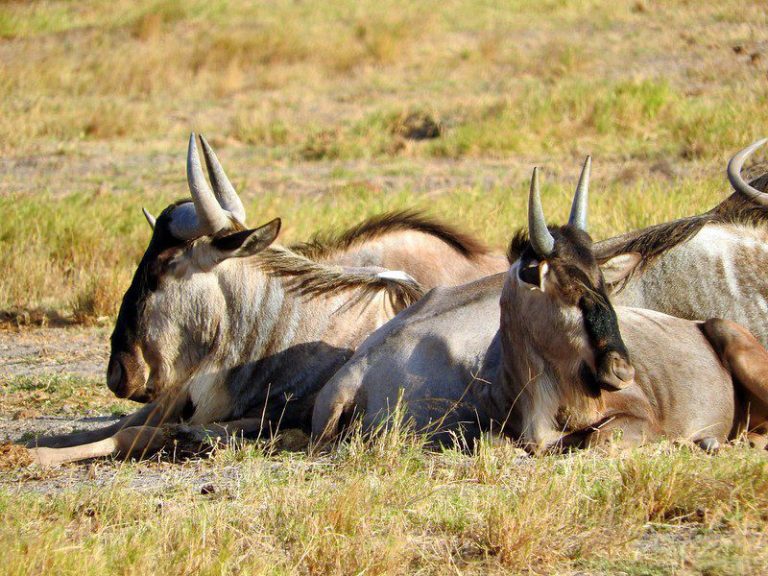

5 Days Kenya Wildlife Safari
by Tranquil Safaris Verified operator
Operator quotes on request
View Safari