
Nairobi Arboretum
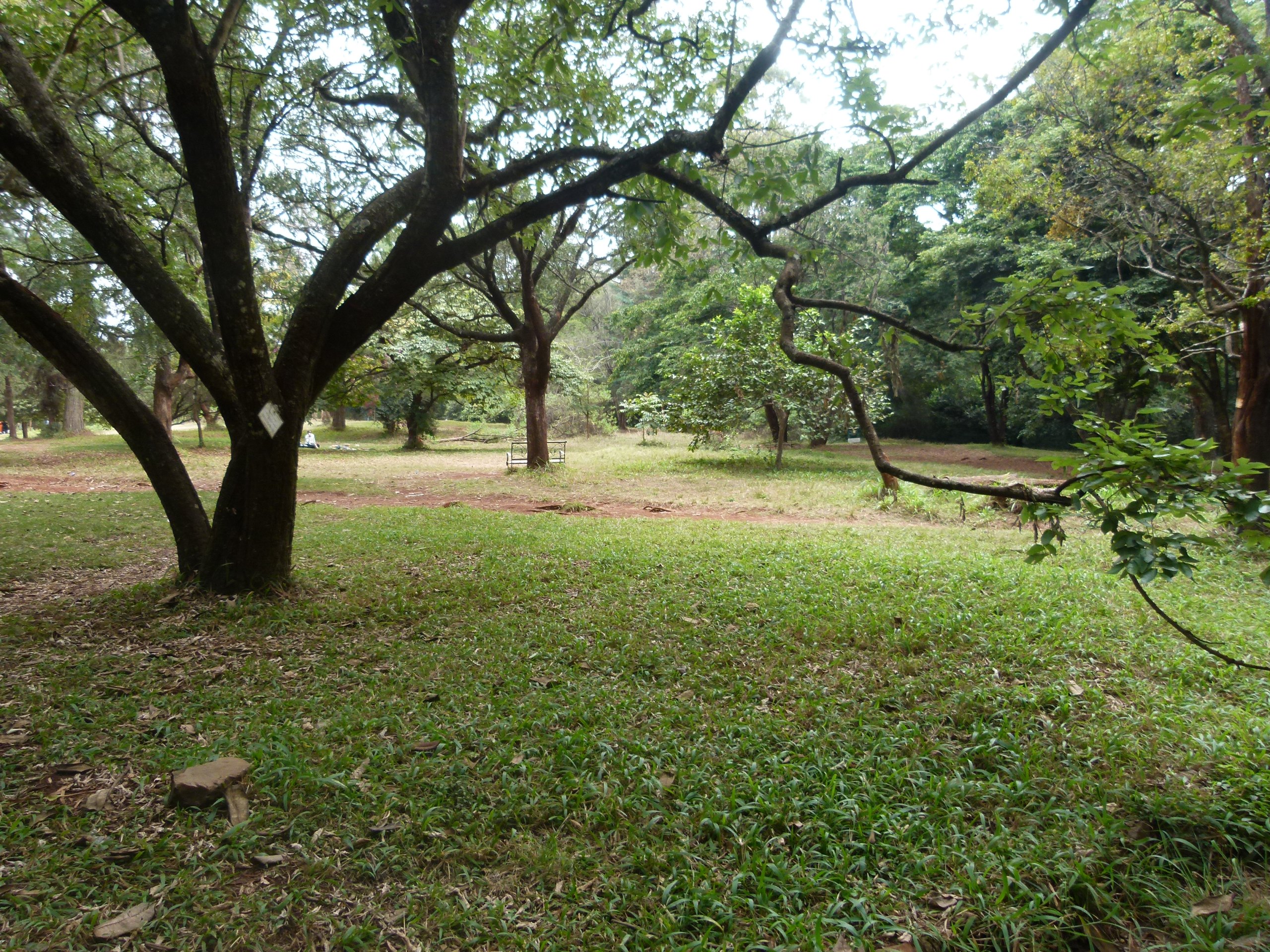
The Nairobi Arboretum is a 30.4-hectare tree collection three kilometres from the city centre, off State House Road. It was planted as a forestry experiment, not as a park, and that is still what makes it interesting: the trees are labelled, they come from all over the world, and walking it is a short course in what grows in this climate.
Why It Was Planted
The arboretum was established in 1907 by Mr Battiscombe, then Deputy Conservator of Forests, as a trial ground for exotic tree species. The problem was practical: the indigenous trees the railway depended on were being cut faster than they could regenerate, and the forestry service needed to know which imported species would grow here and how fast. Later, H.M. Gardner, as Chief Conservator of Forests, added indigenous shrubs and trees each year.
The site was gazetted as a protected forest reserve in 1932 and is managed today by the Kenya Forest Service. It now holds over 300 species of exotic and indigenous trees, a dense concentration for thirty hectares and the reason it is used as a teaching resource as much as a recreation ground.
What Is There
Beyond the trees, the arboretum supports more than 100 resident and migrant bird species, along with Sykes’s and vervet monkeys, greater galago, fruit bats, mongooses and squirrels. Jackson’s three-horned chameleon and the high-casqued chameleon are both here for anyone prepared to look slowly at a hedge.
Paths run through the collection with the trees labelled for identification, and an hour here teaches more about East African trees than a week of looking at them from a moving vehicle.
Timing changes the place completely. Weekday mornings are quiet enough for birdwatching and for reading the labels. Weekends and public holidays bring large picnic and church groups, and the arboretum becomes a social space rather than a botanical one. Neither is wrong, but they are different visits.
Charges, Hours and Getting In
The arboretum publishes its own charges, which were checked in September 2026. The figures are in Kenya shillings and include 16 per cent VAT and the eCitizen platform convenience fee.
| Entrance fee | Adult | Child, 3 to 13 |
|---|---|---|
| Citizen | 242 | 63 |
| Resident | 479 | 121 |
| Non-resident | 716 | 179 |
Car parking is charged separately, and picnics, photography, videography and filming each carry an activity charge on top of entry, so a group planning a picnic or a shoot should check the rate first. Payment is by M-Pesa or Airtel Money through eCitizen, or by card. Cash is not accepted.
The arboretum opens every day of the year and visitors may enter between 6am and 6.15pm. Schools and colleges visiting for teaching purposes are asked to arrange the visit with management in advance.
There are two entrances. The main gate is next to the Kenya Girl Guides headquarters, reached from State House Road via Arboretum Drive, with parking inside. The lower gate is in Kileleshwa next to a filling station, and is the one for public transport; the matatu route serving it runs through Kileleshwa rather than along Riverside Drive, which catches people out.
Nearby
The arboretum is close enough to the city centre and to Museum Hill to pair with the Nairobi National Museum in a single morning. It is the small, close-in counterpart to Karura Forest, which is far larger, further out and a half-day rather than an hour. Related walking is covered under forest walks and the city on the Nairobi guide.
Questions Visitors Ask
Can I pay cash at the gate?
No. Payment is through eCitizen by M-Pesa or Airtel Money, or by bank or swipe card. The published rates already include VAT and the eCitizen convenience fee.
Is a picnic included in the entry fee?
No. Picnics carry a separate activity charge, as do photography, videography and filming. Check the rate before arriving with a group.
How does it compare with Karura Forest?
The arboretum is a labelled tree collection of thirty hectares close to town, good for an hour. Karura is a thousand-hectare forest reserve with trails of 5 to 15 kilometres, a waterfall and caves, and takes half a day.
Which gate should I use?
The main gate off Arboretum Drive if driving, because there is parking inside. The Kileleshwa lower gate if coming by matatu.
11 Places to Visit in This Area
Other sites in Nairobi, each with its own guide.
Safaris That Visit Nairobi
3 of the 16 safaris listed here that visit Nairobi, from different operators where the listings allow it. Each is sold and run by an independent tour company. This site lists them and passes on enquiries; it takes no booking and charges you nothing.

12 Days Best of Kenya Safari
by Kori Safaris Verified operator
Operator quotes on request
View Safari

7-Day Fly-In Kenya Safari Package to Maasai Mara and Amboseli
by Insight Safari Holidays Verified operator
Operator quotes on request
View Safari

Kenya Classic: Amboseli, Tsavo & the Mara
by Ancient Africa Safaris Verified operator
From $9,400 per person
View Safari